Choosing between Kakobuy spreadsheet categories can be surprisingly difficult when shoes, T-shirts, hoodies, and jackets all appear in the same product research session. Each category has different sizing rules, QC checkpoints, seasonal value, and shipping considerations. The quickest approach is not to browse everything equally. Instead, identify what you actually need, understand the specifications that matter for that category, and then narrow the product list before spending time on detailed inspection.
This comparison focuses on the practical differences between the four major apparel and footwear groups so you can decide where to spend your research time and which category deserves priority for your next shopping session.
Smart Search Tip: Looking for more? To find items instantly, use single-word keywords (e.g., “SHOES” or “T-SHIRT”) instead of long sentences for the best results.
Table of Contents
Start With the Item You Actually Need
The most useful distinction between these categories is not price. It is how much product-specific information you need before making a sensible decision.
A T-shirt is relatively straightforward: you can usually focus on chest width, garment length, fabric description, graphics, stitching, and color. A jacket introduces more variables, including shoulder width, sleeve length, lining, hardware, structure, and potentially substantial package weight. Shoes require an entirely different approach because foot length and insole dimensions are more useful than simply selecting a familiar US, UK, or EU size.
Hoodies sit somewhere between T-shirts and jackets. They are still relatively simple garments, but thickness, oversized proportions, shoulder construction, sleeve length, and garment weight can significantly change the fit and shipping characteristics.
That means the right category depends on your immediate objective. If you are filling a basic wardrobe gap, lightweight clothing may be easier to compare. If you need cold-weather outerwear, jackets deserve more detailed specification analysis. If footwear is the priority, measurements should be established before browsing deeply.
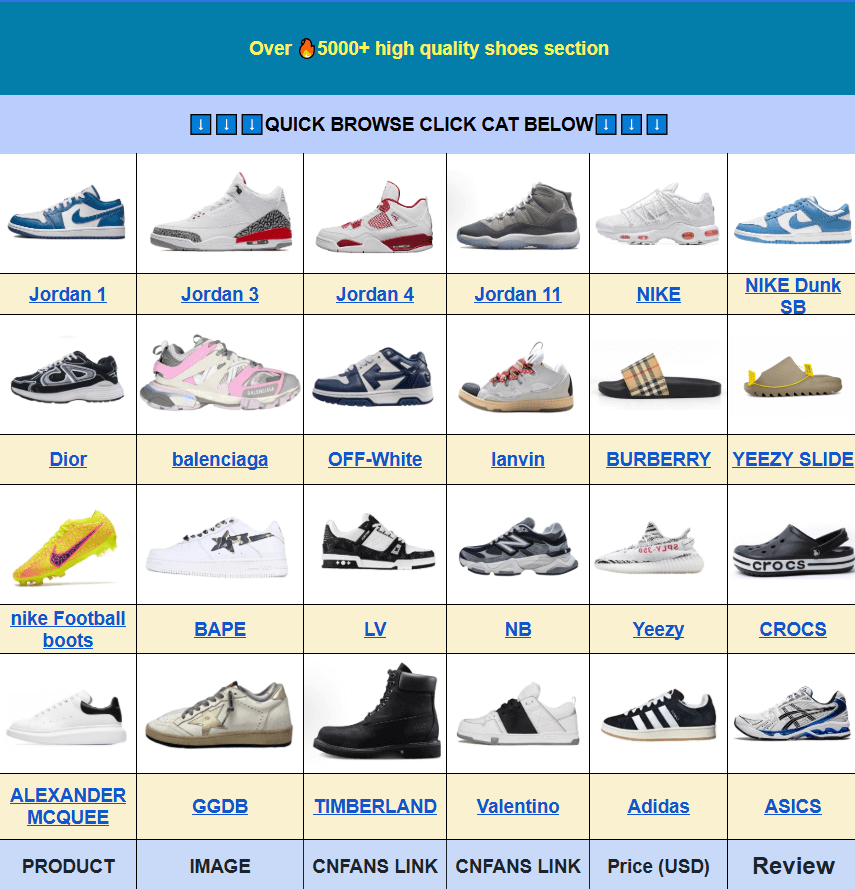
For shoppers who want to browse a large number of options quickly, the Kako buy spreadsheet can function as the initial discovery point before moving into individual product research.
Shoes, T-Shirts, Hoodies, or Jackets?
| Category | Main Specification | Key QC Focus | Typical Research Difficulty |
|---|---|---|---|
| Shoes | Foot length and insole length | Shape, symmetry, sole construction, stitching and visible materials | High |
| T-Shirts | Chest width and garment length | Print alignment, stitching, color and visible fabric appearance | Low to medium |
| Hoodies | Chest width, length and sleeve length | Stitching, shape, graphics, cuffs and visible material appearance | Medium |
| Jackets | Shoulder width, chest, sleeve and garment length | Zippers, hardware, structure, lining appearance and symmetry | Medium to high |
The table highlights an important point: there is no universal “best” category. The best category is the one that matches your use case while giving you enough information to make a confident comparison.
Shoes deserve extra attention because a small sizing error can make an otherwise attractive product impractical. Foot length should be measured carefully, and available insole information should be compared with your own measurements where possible.
T-shirts are generally easier to screen because fewer structural components need inspection. However, that does not mean size labels can be trusted without checking measurements.
Hoodies require more attention to proportions. A product described as oversized may have substantially wider chest measurements or longer sleeves than a conventional fit. The description alone should not determine your choice.
Jackets usually have the largest number of construction details to evaluate. Zippers, pockets, cuffs, collars, lining, seams, and overall structure can all affect whether a listing belongs on your final shortlist.
What Changes When You Compare Specifications?
One of the easiest mistakes is comparing products using only their standard size labels. S, M, L, XL and numerical footwear sizes can mean different things between manufacturers, product types, and production batches.
For clothing, build your comparison around measurements rather than labels. A useful reference sheet might include your preferred chest width, garment length, shoulder width, sleeve length, waist, and hip measurements.
For footwear, start with your measured foot length. If the listing provides insole length, use that information as another comparison point. Do not assume that a familiar retail size automatically translates to the same fit elsewhere.
For jackets and heavier hoodies, also pay attention to sleeve and shoulder measurements. Two garments can have similar chest widths but feel very different because one has narrower shoulders or shorter sleeves.
A practical screening system is:
- First: eliminate products outside your acceptable measurement range.
- Second: compare the proportions of the remaining products.
- Third: review visible construction and QC information.
- Fourth: consider price, weight, seasonal use, and shipping practicality.
This sequence is more efficient than deciding based on product photographs first and discovering a sizing problem later.
This isn’t just a spreadsheet—it’s a Live Supply Chain Index. We aggregate real-time data from Taobao, Weidian, and 1688, filtered through rigorous community quality benchmarks to help you discover only the “best-in-class” options. For easier access to Taobao listings, you can also use our Taobao link converter to quickly convert and work with product links.
QC Priorities Are Different for Every Category
QC review should be category-specific. Looking at the same five details for every product wastes time because different products have different failure points.
For shoes
Check the overall silhouette, left-right symmetry, visible stitching, sole attachment, outsole shape, panels, and obvious marks or defects. Look closely at the toe box and heel structure if those areas are important to the intended style.
Photos can help identify visible construction issues, but they cannot establish long-term comfort, durability, chemical composition, or performance after extended use.
For T-shirts
Focus on print or graphic alignment, collar construction, stitching, visible color consistency, garment shape, and obvious marks. If a graphic is central to the design, check whether it appears straight and properly positioned in the available images.
For hoodies
Inspect the hood shape, cuffs, seams, graphics, pockets, drawstrings where applicable, and overall symmetry. Heavier garments can also benefit from checking product weight if that information is available.
For jackets
Give extra attention to zippers, snaps, pockets, cuffs, collar construction, panel alignment, stitching, and the overall structure. If the jacket includes a visible lining, inspect its appearance, but do not assume a photograph proves the exact material composition.
For all four categories, the purpose of QC is to identify visible issues and improve decision-making. It should not be treated as proof of characteristics that photographs cannot establish.
How Seasonality Should Affect Your Choice
Seasonality can completely change which category deserves priority.
During warmer months, T-shirts are often easier to research and combine into a lightweight order. Their lower individual weight can also make them simpler to consider alongside other items, although actual shipping calculations depend on the final parcel and selected service.
As temperatures fall, hoodies and jackets become more relevant. The trade-off is that heavier clothing can contribute more substantially to parcel weight or volume. A jacket may therefore require more shipping consideration than a visually similar lightweight garment.
Shoes are less seasonal in terms of basic usefulness, but certain styles can become more relevant during specific periods. They also require more careful sizing research, making early measurement preparation particularly valuable.
For shoppers planning ahead, it makes sense to create separate shortlists instead of mixing every category together. One list can contain warm-weather clothing, another cold-weather layers, and another footwear. This keeps product comparisons meaningful.
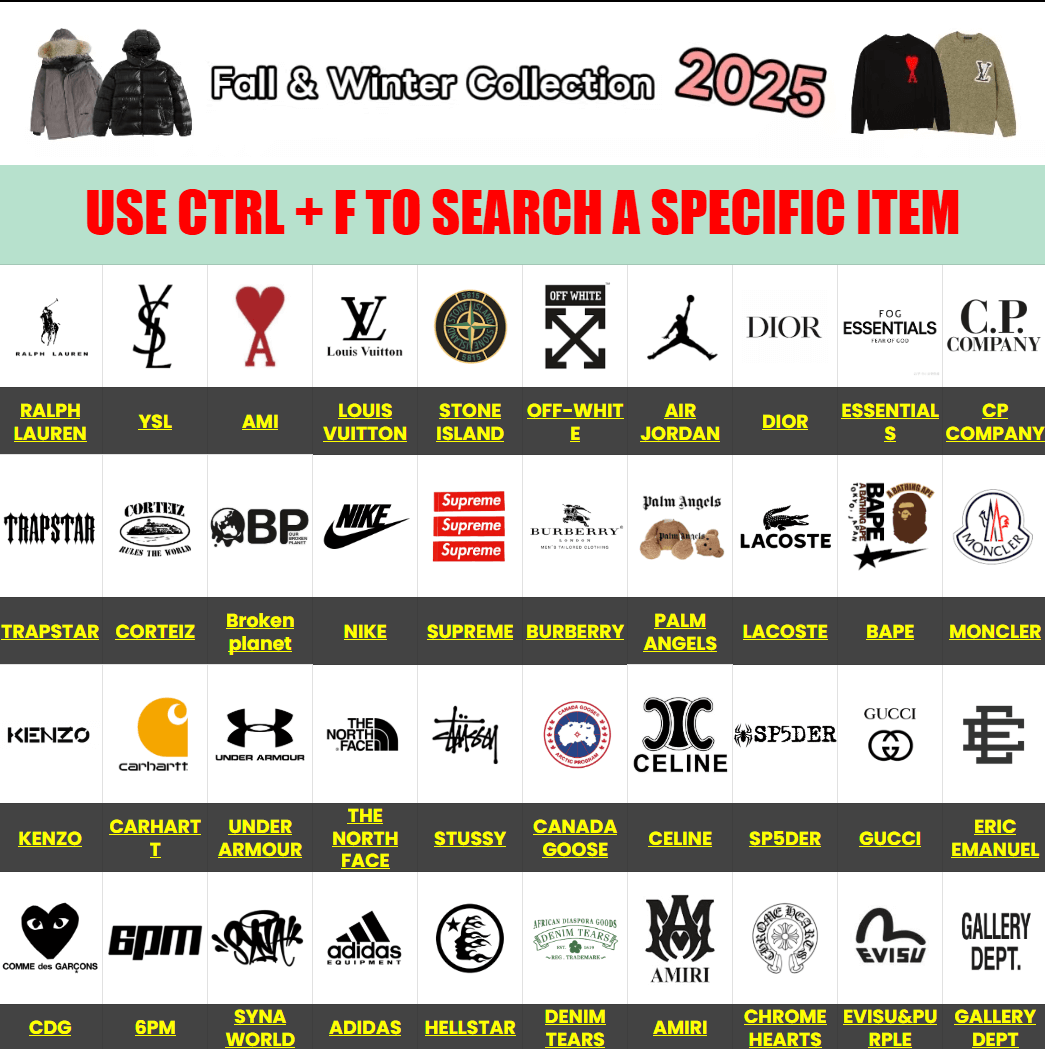
If your research session is focused on outerwear, you can narrow the browsing stage by moving directly into Kakobuy Spreadsheet Jackets rather than scanning unrelated product types.
Shipping: Why Category and Parcel Size Matter
International shoppers should consider shipping before turning a shortlist into a final order. Shoes, hoodies, and jackets can occupy considerably different amounts of physical space, while T-shirts are generally easier to pack compactly.
The relevant issue is not simply the number of products. Depending on the shipping method, both actual and volumetric characteristics can influence how a parcel is handled or priced.
For customers in the US, Canada, UK, EU, Australia, New Zealand, and other destinations, shipping routes and import requirements can differ. Tax treatment, customs procedures, VAT or GST obligations, restricted-product rules, and carrier options should be checked against current destination-specific guidance.
There is also a practical timing issue. A heavy jacket ordered for a specific winter period has a different urgency from a T-shirt intended for general use. If the delivery window matters, establish it before committing to a large research list.
Do not assume that one shipping option is universally better. Compare the available service characteristics, tracking, expected delivery window, parcel dimensions, and destination requirements before choosing.
A Simple Shortlisting Method
When four categories are competing for your attention, use a two-stage decision process.
Stage one: decide the category
Ask four questions:
- What item do I actually need?
- What measurements will determine whether it fits?
- How important is the current season?
- Could the product’s size or weight materially affect shipping?
If the answers point clearly toward one category, there is little reason to spend equal research time on the others.
Stage two: rank individual products
Once you are inside the right category, score each candidate based on the factors that matter to you. For example, you might use measurements, appearance, construction, available QC information, price, and shipping practicality.
Do not keep every interesting listing. Three strong candidates are usually easier to compare than fifteen products that all vaguely meet the same requirement.
For a mixed shopping session, another useful approach is to research the most specification-sensitive category first. If shoes are included, establish footwear measurements before moving to easier-to-compare T-shirts. If a winter jacket is the main purchase, settle the outerwear measurements and shipping implications before filling the rest of the shortlist.
FAQ
Q: Which category is easiest to compare?
A: T-shirts are often the simplest because they have fewer structural components. Chest width, garment length, visible construction, graphics, and color can usually provide a useful initial comparison.
Q: Are shoes harder to choose from a spreadsheet?
A: They can be. Footwear requires more careful attention to foot length, insole information, shape, symmetry, and sole construction. Standard size labels should not be your only reference.
Q: Should I choose a hoodie or jacket for colder weather?
A: That depends on the intended use and construction of the garment. Compare actual measurements, thickness or stated specifications, structure, and available QC information rather than relying only on the product name.
Q: Can QC photos tell me which category has the best quality?
A: Not reliably. QC photos can reveal visible defects and construction details, but they cannot prove long-term durability, comfort, exact material composition, or performance.
Q: Why do measurements matter so much across these categories?
A: Manufacturers can use different sizing systems and proportions. Comparing actual dimensions is therefore more reliable than assuming your usual retail size will fit the same way.
Q: Should international shoppers think about shipping before selecting products?
A: Yes. Category, parcel weight, package dimensions, destination, shipping service, and local import requirements can all affect the practicality of an order. Rules vary by destination, so current local guidance should be checked.
Choose by Requirements, Not by Category Size
The most efficient way to compare shoes, T-shirts, hoodies, and jackets is to start with the requirements of the product rather than the number of listings available. Shoes need careful foot and insole measurements. T-shirts reward simple specification and graphic checks. Hoodies require attention to proportions and construction, while jackets deserve a closer look at structure, hardware, and shipping implications.
Once those differences are understood, the spreadsheet becomes much easier to navigate. Select the category that solves the immediate need, remove unsuitable products using measurable criteria, review realistic QC signals, and keep the final shortlist small enough to compare properly.